
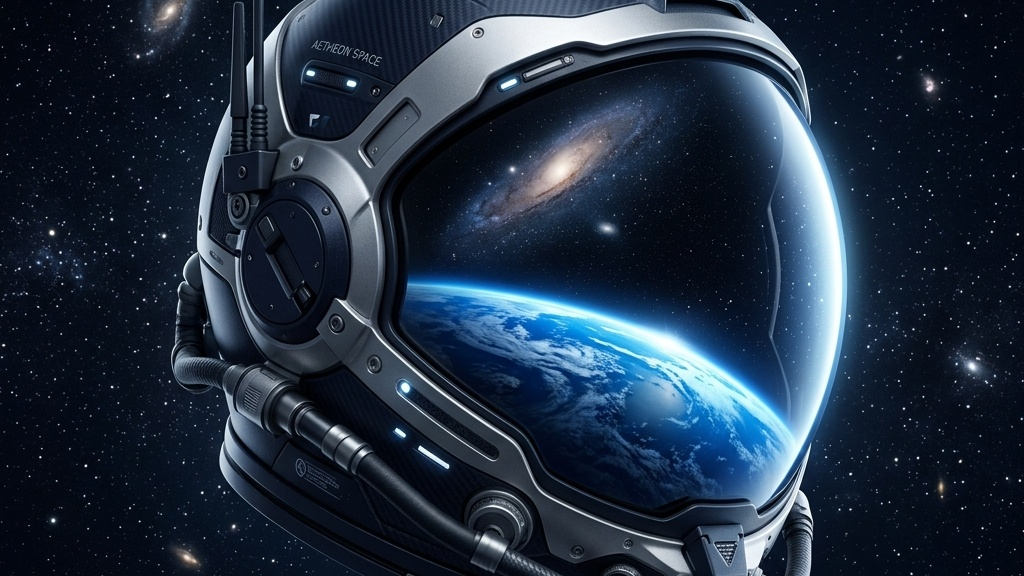
The vacuum of space is the ultimate manifestation of physical hostility. It is an environment completely devoid of atmospheric pressure, characterized by extreme thermal gradients and high-energy cosmic radiation. In popular culture, exposure to this void is often depicted with dramatic, immediate horrors—instantaneous freezing, explosive decompression, or boiling blood. While these cinematic portrayals capture the imagination, they obscure the actual physics and physiology of vacuum exposure. A precise, scientific understanding of what happens to the human body in a vacuum is not merely a matter of biological curiosity. As humanity transitions from flags-and-footprints exploration to a permanent, commercialized presence in low Earth orbit (LEO) and cislunar space, the physiology of vacuum survival dictates the engineering parameters, safety margins, and economic feasibility of next-generation space hardware. This analysis examines the technical realities of human exposure to the space environment and extracts the strategic, engineering, and business insights that govern the emerging market for wearable spacecraft.
1. The Physiology of Vacuum: Cinematic Fiction vs. Physical Reality
To evaluate the risks of vacuum exposure, one must first dismantle the myths popularized by science fiction. The human body does not explode upon exposure to space, nor does it freeze instantly. The structural integrity of human skin and the circulatory system is remarkably robust, capable of containing internal pressure against a external vacuum. However, the actual physiological sequence that begins upon decompression is swiftly and systematically lethal.
The most critical factor is the immediate drop in ambient pressure below the Armstrong Limit (approximately 6.3 kPa or 18.9°C boiling point for water). At this pressure, fluids exposed to the environment—such as saliva, tears, and the moisture on the alveoli of the lungs—begin to boil at normal body temperature. This phenomenon is known as ebullism. While the pressurized circulatory system prevents blood within the major vessels from boiling instantly, gas bubbles rapidly form in the venous system, impeding blood flow and causing severe tissue swelling.
Simultaneously, the lungs become an engine of deoxygenation. In a vacuum, the pressure differential forces air out of the lungs. If a subject attempts to hold their breath, the trapped gas expands exponentially, causing immediate pulmonary barotrauma and alveolar rupture. As the ambient pressure vanishes, the concentration gradient of oxygen in the lungs reverses. Instead of transferring oxygen to the blood, the lungs actively strip oxygen from the bloodstream via rapid diffusion. The deoxygenated blood reaches the brain within 12 to 20 seconds, leading to a complete loss of useful consciousness (TUC). While metabolic processes continue and the body cools slowly via radiative heat transfer—rather than convective freezing—irreversible brain death occurs within 90 seconds due to anoxia.
This narrow survival window was illustrated in 1966 when NASA technician Jim LeBlanc was accidentally exposed to a near-vacuum during a chamber test. His suit depressurized to approximately 0.1 psi. He lost consciousness in 14 seconds but was repressurized within 27 seconds, surviving with no permanent injuries. The primary takeaway for systems engineering is clear: the human body has a rigid, non-negotiable biological buffer of roughly 15 seconds of consciousness and 90 seconds of biological viability under vacuum conditions. Every emergency system, abort sequence, and environmental control system must be designed around this hyper-compressed timeline.
2. Wearable Spacecraft: The Paradigm Shift in Spacesuit Engineering
Historically, spacesuits used for extravehicular activity (EVA) have been engineered as fully autonomous, human-shaped spacecraft. The NASA Extravehicular Mobility Unit (EMU), developed during the Shuttle era, is a prime example. Weighing over 120 kg on Earth, it features 14 layers of specialized materials, including a pressurized bladder, thermal insulation, and a micrometeoroid protection layer, powered by a massive Life Support System (PLSS) backpack. These suits are highly complex, custom-built, and cost tens of millions of dollars per unit to manufacture and maintain.
The strategic limitation of this traditional approach is its lack of scalability. In the era of commercial space stations, private lunar exploration, and high-frequency orbital manufacturing, the economics of legacy EVAs are unsustainable. This has driven a profound paradigm shift: transitioning from bespoke life support enclosures to “wearable spacecraft” built on principles of modularity, mass manufacturability, and integrated systems engineering.
Modern spacesuit development, led by private entities like Axiom Space and SpaceX, focuses on decoupling the pressure retention structures from the thermal and mobility layers. SpaceX’s Extravehicular Activity (EVA) suit, designed for the Polaris Dawn mission, leverages the same architecture as their Crew Dragon Intervehicular Activity (IVA) flight suits. By utilizing advanced materials, 3D-printed helmets, and joint articulation geometries that maintain volume during pressurization, they have bypassed the need for heavy, rigid rotary joints. Furthermore, instead of relying on a completely independent PLSS, these suits utilize umbilical connections to the spacecraft’s primary life support loops for gas and thermal management during routine operations, reserving backup systems for emergencies. This architectural simplification reduces weight, increases mobility, and drastically lowers the unit cost of production, transforming the spacesuit from a scarce national asset into a scalable piece of industrial safety equipment.
3. The Commercial Space Race: Standardization and Platform Strategies
As the space economy scales, spacesuits are transitioning from specialized military-grade hardware into a platform-based ecosystem. The strategic battleground is no longer just about reaching orbit, but about setting the technical standards that will govern operations in orbit. In this context, the development of spacesuits is mirroring the historical evolution of high-tech terrestrial industries.
A key indicator of this trend is Axiom Space’s development of the Axiom Extravehicular Mobility Unit (AxEMU) for NASA’s Artemis III lunar missions. Rather than developing a closed, proprietary system, Axiom is building a modular platform. They have partnered with non-traditional aerospace firms, such as the luxury fashion house Prada, to innovate in materials science, and are designing the suit to interface with multiple commercial landers and space stations. By establishing standardized interfaces for life support connectors, power distribution, and digital telemetry, Axiom is positioning its suit architecture as the default standard for cislunar operations.
This platform strategy yields significant economic advantages. Standardized connector interfaces allow for a diversified supply chain, reducing the risk of single-source component failures and lowering procurement costs through competitive bidding. Furthermore, software-defined suit architectures—featuring heads-up displays (HUDs), integrated cameras, and automated diagnostics—allow suit functionality to be upgraded via software updates rather than physical hardware redesigns. The strategic implication is clear: the companies that control the standards for wearable life support systems will dictate the operational pace and logistics of commercial orbital and lunar habitats.
4. Terrestrial Lessons: Systemic Redundancy and Risk Engineering
The rigorous engineering required to protect the human body from the vacuum of space offers critical lessons for high-risk terrestrial industries. In a vacuum, there is no margin for error; a single component failure can result in ebullism, asphyxiation, and death within seconds. To mitigate these risks, aerospace engineers rely on system redundancy, predictive diagnostics, and Fail-Safe design methodologies.
In risk engineering, a primary objective is the elimination of Single Points of Failure (SPOFs). In spacesuit design, this is achieved through active and passive redundancy. For example, pressure retention is maintained not only by a primary bladder but also by backup sealing mechanisms and gas regulators that can detect pressure drops and automatically increase emergency gas flow from secondary reserves. Similarly, electrical and telemetry systems utilize dual-bus architectures to ensure that sensor data and communications remain operational even if one circuit is damaged by micrometeoroid impact or electrostatic discharge.
This level of risk engineering is increasingly relevant to terrestrial sectors such as automated semiconductor manufacturing, autonomous transport networks, and nuclear power generation. As these systems grow more complex, they become susceptible to cascading failures. By adopting the aerospace practice of strict fault-tree analysis, automated isolation of anomalous subsystems, and design-to-fail architectures—where a component failure defaults to a safe state rather than a destructive one—terrestrial enterprises can enhance their operational resilience. The engineering discipline required to survive the vacuum of space serves as a blueprint for managing systemic risk in any high-consequence business environment.
Conclusion: Strategic Resilience in the Vacuum
The physical reality of vacuum exposure strips away all ambiguity. It is a harsh, mathematical environment where biology meets its absolute boundaries. To survive and operate in this void, humanity cannot rely on biological adaptation; we must rely on the precision of our engineering and the strategic coherence of our technology systems.
The transition of spacesuits from custom-made, national projects to standardized, wearable spacecraft platforms represents a critical milestone in the development of the space economy. It reflects a mature understanding that the utilization of space is no longer a geopolitical stunt, but an industrial frontier. By reducing unit costs, establishing open interfaces, and applying rigorous risk-mitigation frameworks, the commercial space sector is building the infrastructure necessary for a multi-planetary future. Ultimately, the lessons learned from engineering life support for the absolute vacuum of space will redefine resilience, standardization, and systems integration on Earth, proving that our search for survival in the stars directly strengthens our technological foundation at home.
우주 진공은 물리적 적대성이 극단적으로 발현되는 공간입니다. 대기압이 완전히 부재하며, 극단적인 열적 고온과 저온의 반복, 그리고 고에너지 우주 방사선으로 정의되는 가혹한 환경입니다. 대중문화에서는 진공 노출을 신체가 즉각적으로 얼어붙거나, 폭발적으로 감압되거나, 혈액이 비등하는 등의 극적인 공포로 묘사하곤 합니다. 이러한 영화적 연출은 대중의 상상력을 자극하지만, 실제 물리 법칙과 생리학적 현실을 왜곡합니다. 우주 진공 상태에서 인체에 가해지는 생리학적 변화를 정밀하고 과학적으로 이해하는 것은 단순한 생물학적 호기심을 넘어섭니다. 인류가 단순한 일회성 탐사를 넘어 저궤도(LEO)와 달 궤도(cislunar) 공간에 상업적으로 영구 상주하는 시대로 나아감에 따라, 진공에서의 인체 생존성은 차세대 우주 하드웨어의 설계 변수, 안전 마진, 그리고 경제적 타당성을 결정하는 물리적 기준이 되기 때문입니다. 본 분석에서는 인체가 우주 진공에 노출되었을 때 발생하는 생리학적 사실들을 명확히 규명하고, 이를 기반으로 민간 우주 개발 시대에 핵심 자산으로 떠오른 ‘웨어러블 우주선(Wearable Spacecraft)’의 공학적, 전략적, 그리고 비즈니스적 통찰을 도출하고자 합니다.
1. 진공의 생리학: 영화적 허구와 물리적 현실
우주 진공 노출의 위험성을 객관적으로 평가하기 위해서는 먼저 대중문화가 만들어낸 허상을 걷어내야 합니다. 우주에 노출된 인간의 신체는 즉각적으로 폭발하지 않으며, 순식간에 얼어붙지도 않습니다. 인체의 피부와 혈관계는 외부 진공에 대항하여 내부 압력을 유지할 수 있을 만큼 매우 견고한 인장 강도를 지니고 있기 때문입니다. 그러나 감압이 시작되는 순간 인체 시스템이 겪게 되는 실제 생리학적 연쇄 붕괴 과정은 매우 신속하며 치명적입니다.
가장 치명적인 요인은 주변 기압이 약 6.3kPa(물의 끓는점이 체온 수준인 18.9°C로 낮아지는 기압 한계선인 ‘암스트롱 한계’) 이하로 급격히 떨어지는 현상입니다. 이 임계점 이하에서는 구강 내부의 침, 안구 표면의 눈물, 그리고 폐포의 수분이 정상 체온에서도 끓어오르기 시작합니다. 이 현상을 ‘체액 비등현상(Ebullism)’이라고 합니다. 밀폐된 순환계 덕분에 동맥 내의 혈액이 즉각적으로 끓는 것은 방지되지만, 정맥계에서는 급격히 기포가 형성되어 혈류를 차단하고 조직의 심각한 팽창을 유발합니다.
동시에, 폐는 체내 산소를 외부로 배출하는 역방향 가스 교환 장치로 전락합니다. 진공에 노출되면 기압 차로 인해 폐 내부의 공기가 강제로 분출됩니다. 이때 강제로 호흡을 참으려고 시도하면, 폐 내부에 갇힌 공기가 팽창하여 폐포가 파열되는 심각한 기압 외상(Pulmonary Barotrauma)을 입게 됩니다. 기압이 소멸함에 따라 폐포 내부와 모세혈관 사이의 산소 분압 기울기가 역전되고, 혈액 속의 산소는 폐를 통해 진공 속으로 빠르게 확산해 빠져나갑니다. 이로 인해 산소가 고갈된 혈액이 뇌에 도달하는 데 걸리는 시간은 단 12초에서 20초에 불과하며, 이 골든타임이 지나면 인간은 ‘유효 의식 시간(Time of Useful Consciousness, TUC)’을 잃고 혼절하게 됩니다. 복사열 방출을 통한 체온 저하는 대류 현상이 없는 우주 공간 특성상 서서히 진행되지만, 뇌로 가는 산소 공급이 완전히 차단되면서 대략 90초 이내에 비가역적인 뇌사에 이르게 됩니다.
이러한 물리적 한계는 1966년 NASA의 진공 챔버 테스트 도중 발생한 엔지니어 짐 르블랑(Jim LeBlanc)의 실제 사고 사례를 통해 증명되었습니다. 우주복의 연결부가 분리되면서 챔버 내부에서 약 0.1psi 수준의 진공에 노출된 그는 14초 만에 의식을 잃었으나, 27초 만에 신속하게 재기압화가 이루어져 영구적인 손상 없이 생존할 수 있었습니다. 이 사례가 시스템 엔지니어링에 주는 교훈은 명확합니다. 인간의 생물학적 구조는 진공 상태에서 오직 약 15초의 의식 유지 시간과 90초의 생존 한계라는 절대적인 물리적 제약을 가집니다. 따라서 모든 우주 생명 유지 장치와 비상 탈출 시퀀스는 이 극도로 압축된 생리학적 시간표에 맞추어 설계되어야 합니다.
2. 웨어러블 우주선: 우주복 엔지니어링의 패러다임 전환
과거 우주 비행사들이 우주선 밖으로 나가 활동할 때 착용했던 선외활동(EVA) 우주복은 단독으로 작동하는 인간 형태의 초소형 우주선으로 설계되었습니다. 대표적인 사례인 NASA의 EMU(Extravehicular Mobility Unit)는 지상 무게만 120kg에 달하며, 압력 구속층, 열 제어 시스템, 미세 유성체 방호층 등 14개의 기능성 레이어로 구성되어 있습니다. 여기에 산소 공급, 이산화탄소 제거, 온도 조절을 담당하는 거대한 백팩 형태의 휴대용 생명유지장치(PLSS)가 결합됩니다. 이 장비들은 극도로 복잡하고 장인 보존식으로 수작업 제작되어 한 대당 수천만 달러에 이르는 천문학적인 비용이 소모되었습니다.
이러한 전통적인 방식은 상업 우주 개발 시대에 치명적인 약점을 가집니다. 민간 우주 정거장 건설, 저궤도 상업적 이용 활성화, 달 표면 기지 구축 등 우주 진출 빈도가 급증하는 현대 비즈니스 환경에서 기존의 맞춤형 우주복 생산 방식은 공급망의 확장성과 비용 효율성 측면에서 지속 불가능합니다. 이에 따라 최근 우주복 엔지니어링은 단순한 보호 의류가 아닌 모듈화, 대량 생산성, 그리고 통합 시스템 설계를 기반으로 하는 ‘웨어러블 우주선(Wearable Spacecraft)’의 개념으로 패러다임이 전환되고 있습니다.
스페이스X(SpaceX)와 액시엄 스페이스(Axiom Space) 같은 민간 기업들이 주도하는 최근 설계 철학은 우주복의 압력 유지 기능과 기동성 구조를 분리하는 데 중점을 둡니다. 스페이스X가 폴라리스 던(Polaris Dawn) 임무를 위해 개발한 EVA 우주복은 기존 크루 드래곤 내에서 사용하던 IVA(선내활동용) 수트의 설계 자산을 계승 및 공유합니다. 새로운 신소재를 적용하고 3D 프린팅 헬멧 및 압력 인가 시에도 부피를 일정하게 유지하는 관절 형상을 도입하여, 과거의 무겁고 뻣뻣한 회전 관절 구조 없이도 뛰어난 움직임을 확보했습니다. 또한 정기 작업 시 무거운 PLSS 배낭을 메는 대신 우주선 본체와 연결된 탯줄(Umbilical cord) 시스템을 통해 기체 공급 및 온도 조절을 처리하고, 비상시에만 보조 공급 장치를 작동시키는 방식을 도입했습니다. 이러한 아키텍처 단순화는 무게를 혁신적으로 줄이고 생산 단가를 낮추어, 우주복을 국가적 희소 자산에서 상용 산업 안전 장비의 영역으로 바꾸어 놓고 있습니다.
3. 상업 우주 경쟁: 표준화와 플랫폼 전략
우주 경제가 궤도에 오름에 따라 우주복은 군사 규격 수준의 전유물에서 벗어나 플랫폼 기반 생태계로 발전하고 있습니다. 이제 상업적 우주 경쟁의 본질은 단순히 우주 궤도에 도달하는 능력을 넘어, 우주 활동의 표준 규격을 누가 선점하느냐는 기술 규격의 주도권 싸움으로 전개되고 있습니다. 이는 과거 지상의 하이테크 산업들이 겪었던 플랫폼 경쟁의 양상과 매우 유사합니다.
대표적인 비즈니스 사례는 액시엄 스페이스가 NASA의 아르테미스 III 달 착륙 임무를 위해 개발 중인 차세대 우주복 AxEMU입니다. 액시엄 스페이스는 자체 폐쇄형 시스템을 고집하는 대신 타사 하드웨어와의 호환성이 뛰어난 모듈형 우주복 플랫폼을 설계하고 있습니다. 이들은 명품 패션 하우스 프라다(Prada)와 협력하여 소재 공학을 혁신하는 한편, 우주복이 NASA의 시스템뿐 아니라 민간의 다양한 달 착륙선 및 상업용 우주 정거장 도킹 해치와 호환되도록 구성하고 있습니다. 생명유지 커넥터, 전력 분배 장치, 그리고 데이터 통신 규격을 표준화함으로써 이 우주복 아키텍처를 달과 행성 간 작업의 산업 표준(De facto standard)으로 정착시키려는 전략입니다.
이러한 플랫폼 표준화 전략은 막대한 경제적 부가가치를 창출합니다. 커넥터와 인터페이스가 표준화되면 하위 서플라이 체인이 다변화되어 단일 부품 공급처의 실패 리스크를 줄일 수 있고, 경쟁 입찰을 통해 조달 비용을 획기적으로 낮출 수 있습니다. 또한 헤드업 디스플레이(HUD), 통합 카메라, 실시간 진단 센서 등 소프트웨어 정의 기반의 수트 설계를 도입하면 하드웨어를 변경하지 않고도 소프트웨어 업데이트만으로 기동 중인 자산의 성능을 업그레이드할 수 있습니다. 상업 우주 개발에서 환경 제어 및 생명 유지 장치의 기술 표준을 선점하는 기업이 미래 우주 물류와 궤도 생태계의 패권을 장악하게 될 것입니다.
4. 지상적 교훈: 시스템 이중화와 리스크 엔지니어링
인체를 우주 진공이라는 극단적인 위협으로부터 보호하기 위한 우주복의 엄격한 공학적 설계 방식은 리스크가 매우 높은 지상의 산업 부문에도 유용한 통찰을 제공합니다. 1기압과 0기압 사이의 급격한 경계선상에서 동작하는 우주복 엔지니어링은 타협을 허용하지 않으며, 단 하나의 사소한 설계 결함이나 부품 오작동도 수초 이내에 체액 비등과 질식이라는 치명적인 참사로 직결되기 때문입니다. 이러한 재앙을 원천 차단하기 위해 항공우주 공학이 사용하는 다중 이중화 및 페일세이프(Fail-Safe) 설계 방법론은 지상 하이테크 제조업에 중요한 전략적 표준을 제시합니다.
리스크 공학의 핵심 목표 중 하나는 시스템 내에서 단 하나의 부품 고장이 전체 시스템 붕괴로 이어지는 ‘단일 실패점(Single Point of Failure, SPOF)’의 제거입니다. 우주복 설계에서는 이를 액티브 및 패시브 이중화로 해결합니다. 예컨대 기압 유지 시스템은 1차 압력 백뿐만 아니라 비상 씰링 메커니즘을 함께 탑재하며, 실시간 압력 저하를 감지하면 자동으로 내부 비상 가스를 분사하는 보조 레귤레이터 회로가 작동합니다. 전력 및 통신 버스 역시 미세 유성체 충돌이나 정전기 방전으로 한쪽 라인이 파괴되더라도 시스템이 유지되도록 독립된 듀얼 버스 구조를 취합니다.
이와 같은 고도의 신뢰성 공학 기법은 미세한 오류가 막대한 경제적 피해나 인명 사고로 이어지는 지상의 첨단 반도체 제조 공정, 자율주행 차량 네트워크, 원자력 발전 시설 등에서도 필수적으로 도입되고 있습니다. 지상의 엔터프라이즈 환경이 극단적인 복잡성 증가로 인해 발생하는 시스템적 붕괴 리스크를 방어하기 위해서는 우주 공학의 결함 트리 분석(Fault Tree Analysis)과 자율적 하위 시스템 격리 설계, 그리고 고장 시 파괴가 아닌 안전 모드로 전환되는 페일세이프 아키텍처를 도입해야 합니다. 진공이라는 절대적인 무(無)의 공간에서 생명을 보존하기 위해 정교하게 다듬어진 공학적 규율은, 예측 불가능한 비즈니스 환경에서 기업의 연속성 계획(BCP)과 복원력을 설계하는 최고의 지침서 역할을 수행합니다.
Conclusion: 진공 속에서 실현되는 전략적 회복탄력성
우주 진공이라는 물리적 현실은 어떠한 타협이나 모호함도 허용하지 않는 엄격한 물리 법칙의 세계입니다. 이 거대한 공허 속에서 인간이 안전하게 생존하고 작업하기 위해서 필요한 것은 생물학적 진화가 아니라, 정밀한 시스템 엔지니어링과 고도의 기술 전략적 표준화의 확립입니다.
우주복이 맞춤형 하이테크 명품에서 규격화된 플랫폼 기반의 웨어러블 우주선으로 변화하는 흐름은 민간 우주 경제가 본격적인 산업화 단계로 진입했음을 보여주는 확실한 이정표입니다. 제조 단가의 혁신, 오픈 인터페이스 표준의 정립, 그리고 엄격한 리스크 통제 프레임워크의 적용은 인류가 우주 공간을 단발성 탐사의 영역에서 비즈니스적 가치 창출의 공간으로 개척하기 위한 필수 인프라를 다지는 과정입니다. 결과적으로 극한의 진공을 견뎌내기 위해 우주 공학이 개척해 온 기압 제어와 생명 유지 표준 규격들은 지상 하이테크 산업의 회복탄력성 표준을 재정의하며, 우주를 향한 도전이 결국 지상의 기술 생태계와 제조업을 더욱 강력하게 혁신시키는 촉매제가 됨을 입증하고 있습니다.
답글 남기기